Card Access Control for Hawaii Commercial Properties
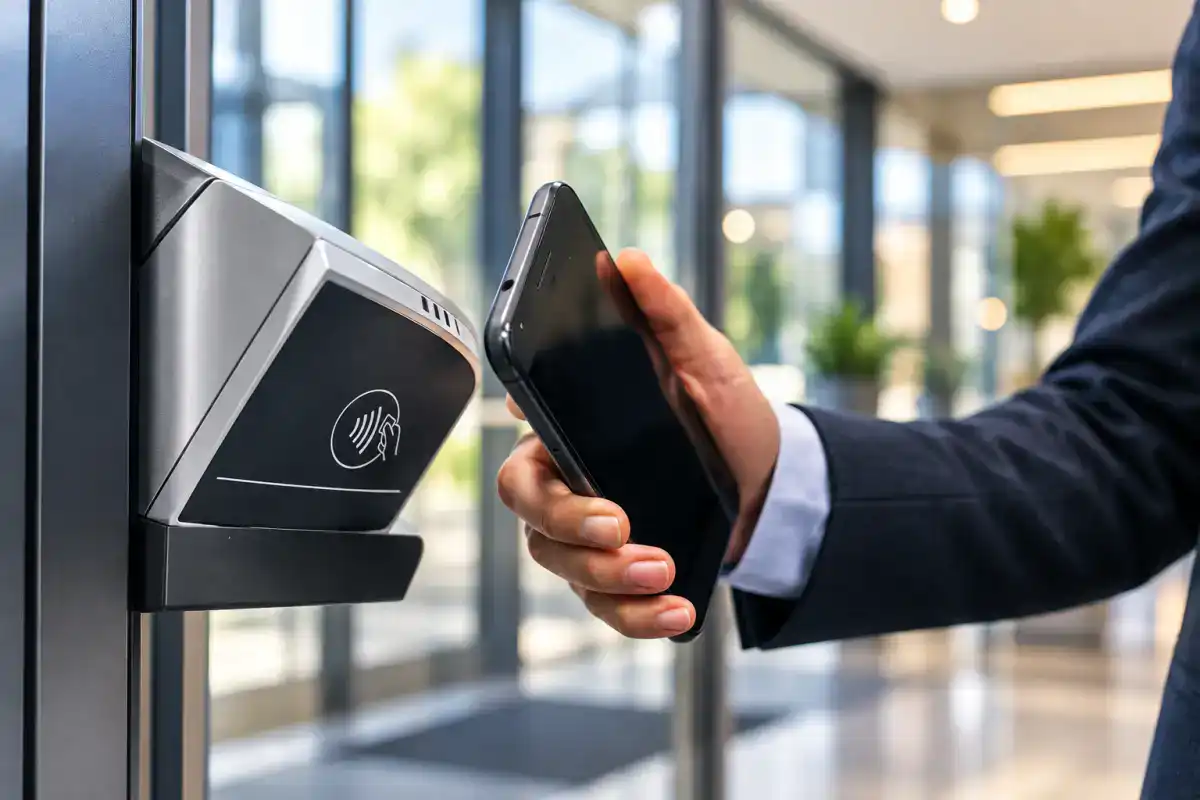
Card access control is built around a practical question: Who should be able to enter your building, which doors should they use, and when?
At a commercial property, that answer can change often. Employees leave, tenants change, vendors need temporary entry, and cleaning crews or after-hours staff may need access at different times.
When those changes are handled through scattered lists or someone’s memory, it becomes harder to know who still has access. Card access control gives property managers and facility teams a more organized way to manage cards or fobs, entry permissions, schedules, and activity at priority doors.
When It Is Hard to Answer That Question
Card access control may be worth considering when:
- A former employee, tenant, or vendor may still be able to enter.
- Contractors, cleaning crews, or after-hours staff need a clear way to get in.
- Different people need to use different doors or areas.
- Schedules change often, creating repeated administrative work.
- When questions arise, there is no clear record of activity at a priority door.
These issues do not automatically mean every door needs new equipment. They do suggest it may be time to evaluate whether card access control would make the property easier to manage.
How Card Access Control Helps Manage Who Can Enter
A card access control system can give authorized staff a clearer way to manage who can use which doors and when. Depending on the system and the property’s needs, that can make several everyday tasks easier.
Update Permissions When People Leave
When an employee leaves or a vendor’s assignment ends, authorized staff can deactivate that person’s card or fob. For doors managed through the system, this can simplify updating their regular entry permissions.
Decide Who Can Enter Which Areas
Not everyone needs to use every door. Office employees may need common workspaces, while maintenance staff may need equipment rooms. Card access control can assign entry permissions based on roles and responsibilities.
Set Different Times for Different Users
A cleaning crew may need evening entry, while office employees work regular business hours. Card access control systems that support scheduled permissions can help accommodate those differences without giving everyone unrestricted entry.
Anti-Passback for High-Security Areas
At facilities with highly restricted areas, anti-passback can help reinforce the expected entry process. It may require a card or fob to be presented when entering and leaving a defined area.
If someone follows another person through a controlled door without using their own credential, the system can flag an exception or require authorized staff to review and reset that credential’s status before its next use. Any configuration must still support required life-safety and emergency egress.
Review Credential Activity at Priority Doors
Some systems keep records of when a card or fob is presented at a door. These logs can help managers review activity when questions arise, although they do not necessarily confirm who physically entered.
For properties with multiple users and doors, these capabilities can reduce administrative work and make regular entry easier to manage.
Explore Card Access Control Systems to see how Access Hardware Inc. helps Hawaii businesses manage facility entry.
The Complete Opening Still Matters
A card reader is only one part of a reliable card access control system. The door, locks, closers, electrified locking or release equipment, and power supply all need to work together.
Adding card access control to a busy entrance may require evaluating whether the existing door and hardware can support the new equipment. The plan also needs to account for how people enter and exit the building, including life-safety and accessibility considerations.
Access Hardware Inc. provides Commercial Door Hardware alongside card access control systems, helping businesses consider both the equipment and the everyday operation of their entrances.
Keys Still Have a Place in a Backup Plan
Card access control does not necessarily eliminate mechanical keys. Depending on the opening and hardware, a property may retain keys for emergencies, network interruptions, or power failures while using cards or fobs to manage everyday entry.
Why Hawaii Conditions and Local Support Matter
At exposed Hawaii properties, salt air, humidity, rain, sun, and heavy daily traffic can all affect the equipment around an entry. The right reader, locking hardware, door components, and installation approach depend on how the entrance is used and what it faces each day.
When a Broader Entry Plan Makes Sense
At some properties, card access control is part of a larger entry plan. Cameras can add useful context at priority doors, and telephone entry or intercom systems can help manage visitors at a front door or gate. The right combination depends on how people move through the property each day.
Learn more about Security Cameras and Telephone Entry and Intercom systems.
A Practical Next Step
You do not need to decide on a platform or replace every door at once. Start by identifying the priority doors, who should be able to use them, and when your current process makes that hard to answer.
Serving Hawaii since 1989, Access Hardware Inc. is a licensed and insured contractor helping commercial and industrial properties across Oahu and Maui evaluate their entry needs. The team can assess priority doors, existing hardware, user needs, schedules, and future requirements before recommending a practical card access control installation, replacement, or upgrade.
Schedule a free consultation with Access Hardware Inc. to discuss a card access control solution that fits your building and makes everyday entry management easier.